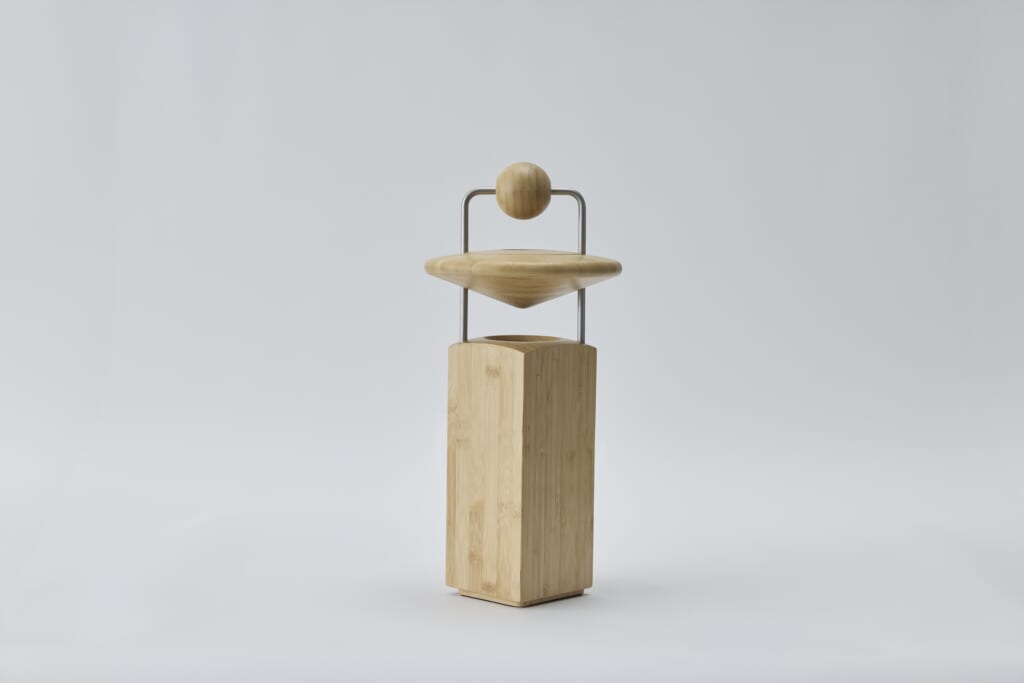
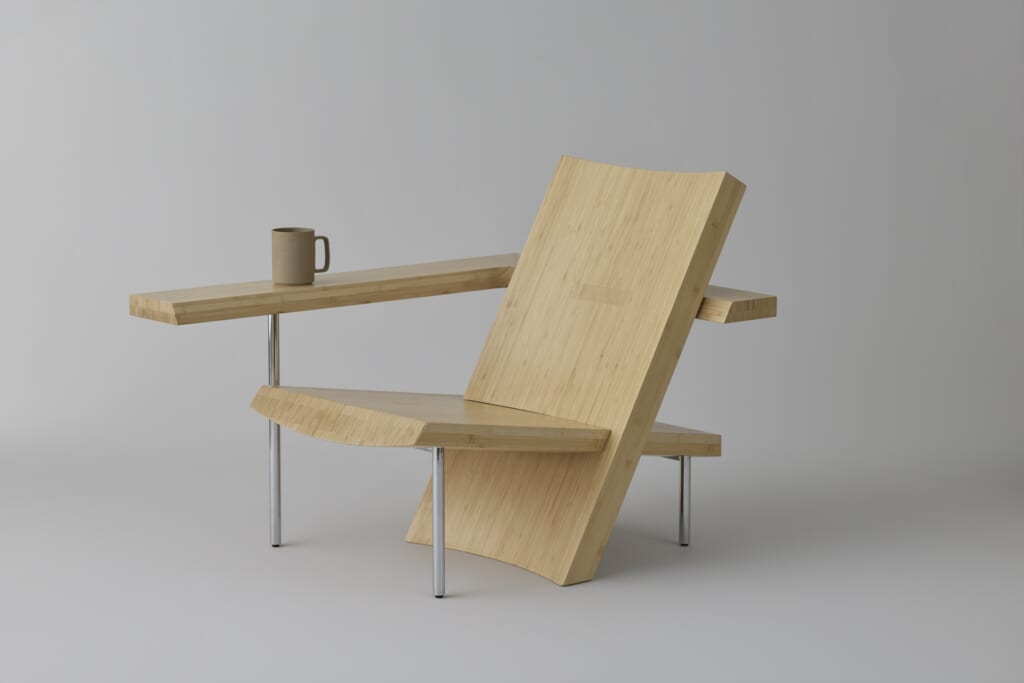
‘TAKE TORI’—a furniture and interior design brand that carries forward the environment and artisan culture surrounding traditional bamboo products into the future

Are you familiar with the issue of ‘bamboo damage’? Bamboo (a perennial plant belonging to the subfamily Bambusoideae of the grass family), which is naturally a readily available resource in Japan, has traditionally been actively utilised across a wide range of categories, including everyday household goods, building materials, handicrafts and culinary traditions. However, in recent years, domestic demand has fallen sharply due to various factors, including alternative building materials such as plastic and polycarbonate, as well as cheap imported bamboo shoots. Neglected bamboo groves—which are not properly managed, thinned or harvested—have become a problem known as ‘bamboo damage’. This issue is having such a significant adverse impact on traditional ecosystems, nature and the living environment that the Forestry Agency has been implementing fundamental measures and promoting the utilisation of bamboo since Heisei 30. The furniture and interior design brand ‘TAKE TORI’, which holds great potential for rectifying such a vicious social cycle, has launched! (Prices start from ¥11,000.) Developed by ASTEP (ASTEP Co., Ltd.; Head Office: Funabashi City, Chiba Prefecture; Representative Director: Tsuyoshi Nishinai), a company founded in 1963 that has honed its bamboo processing techniques over many years, the brand revolutionises the conventional concept of bamboo products and proposes a sustainable quality of life (QOL) that harmonises with all contemporary residential and commercial spaces. Furthermore, the company has obtained a patent for its original manufacturing process, which utilises a sterilisation technique that does not use chemicals and does not trigger chemical allergies. This ensures consistent compliance with high quality and hygiene standards suitable for processing, whilst achieving a completely additive-free anti-mould effect. The diverse uses of bamboo and its benefits are closely linked to contributing to the SDGs (Sustainable Development Goals). At present, the company uses Moso bamboo grown in FSC-certified bamboo forests across 86 villages situated at an altitude of 700 metres in Fujian Province, China; however, it is hoped that the range will be expanded to include domestic bamboo in the future. For bamboo to become ‘TAKE’ and attract global attention, whilst passing on the environment and artisan culture surrounding traditional bamboo products to the next generation—this is the future envisaged by 《TAKE TORI》.
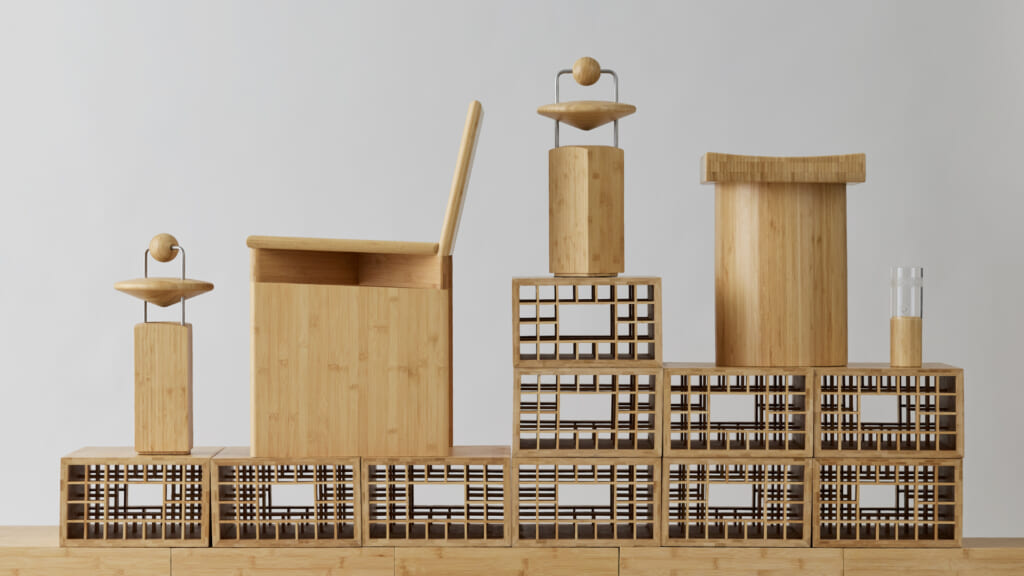
─The first collection, born from a collaboration with three product designers active both in Japan and abroad─

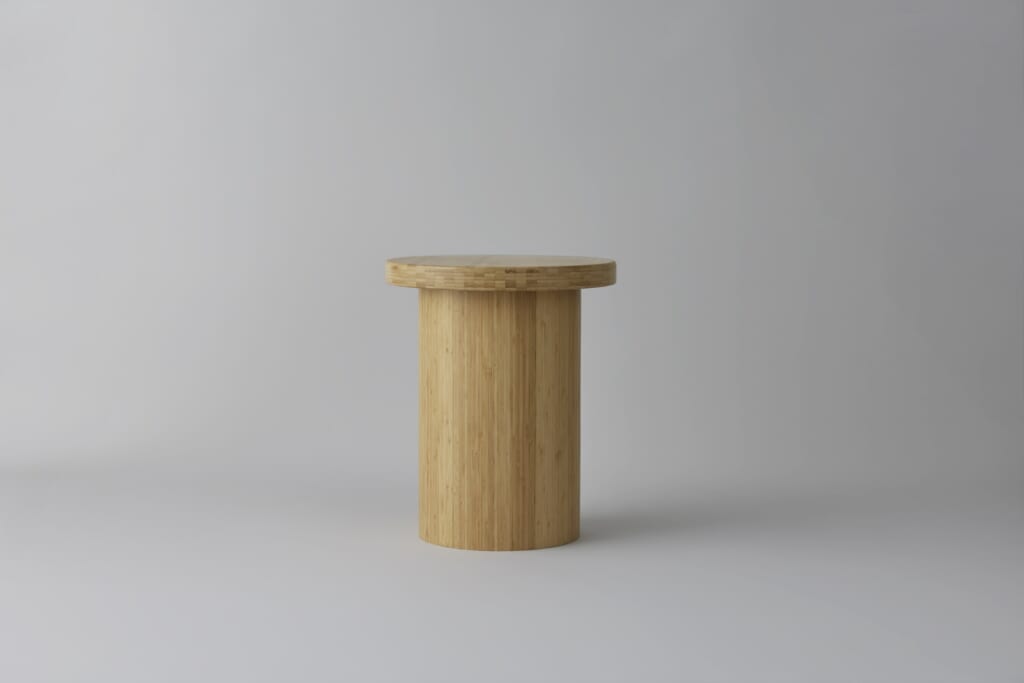
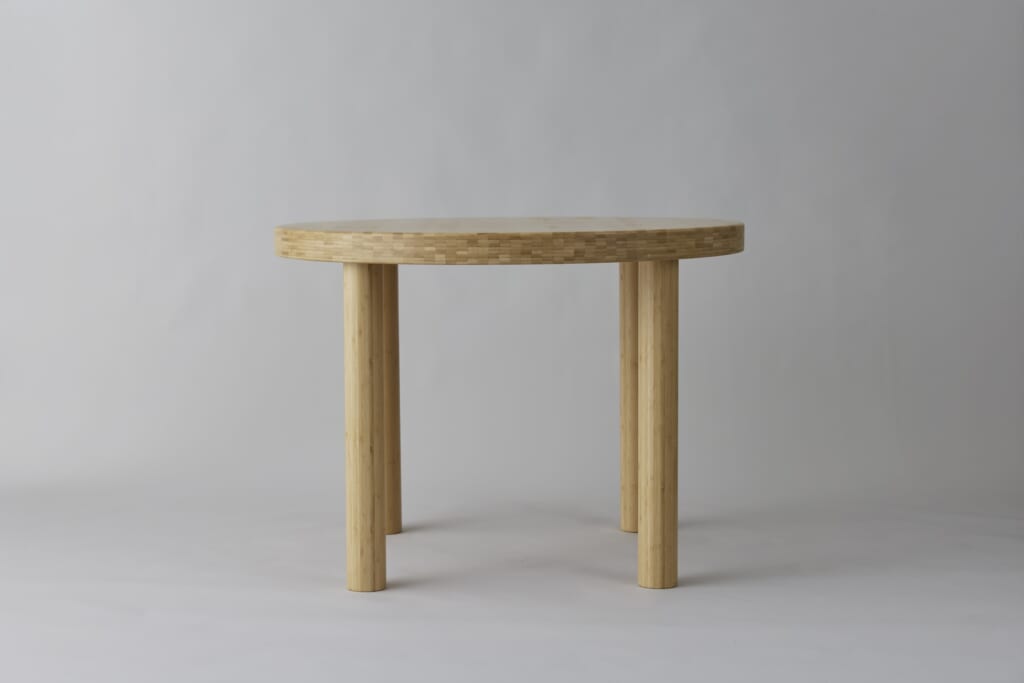
Shigeki Fujishiro
After working as a designer at IDÉE, he established his own studio, Shigekifujishiro design, in 2005. His work centres on interior products. Whilst collaborating with brands such as *Hermès*, *Adidas*, *Camper*, *KVADRAT* and the Arita ware brand *2016/*, he also handles the planning, production and sales of his own products.
‘I aim for a modern aesthetic that makes the most of bamboo’s inherent texture without leaning too heavily towards a traditional Japanese style. I design with spaces used by many people in mind, such as waiting areas in hotels and ryokans, and changing rooms at hot springs. As the pieces are compact and user-friendly, they are, of course, suitable for home use too. By standardising the construction of the seat and legs to create a sense of unity across the series, I also take into account workability and efficiency in the manufacturing process.’

Tomoya Tabuchi
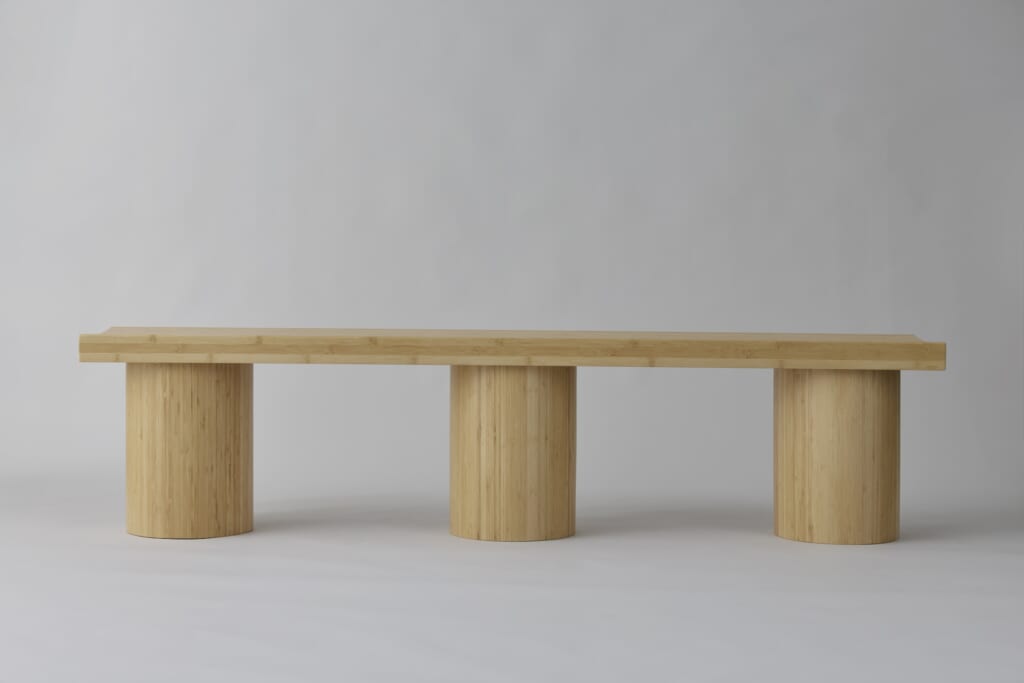
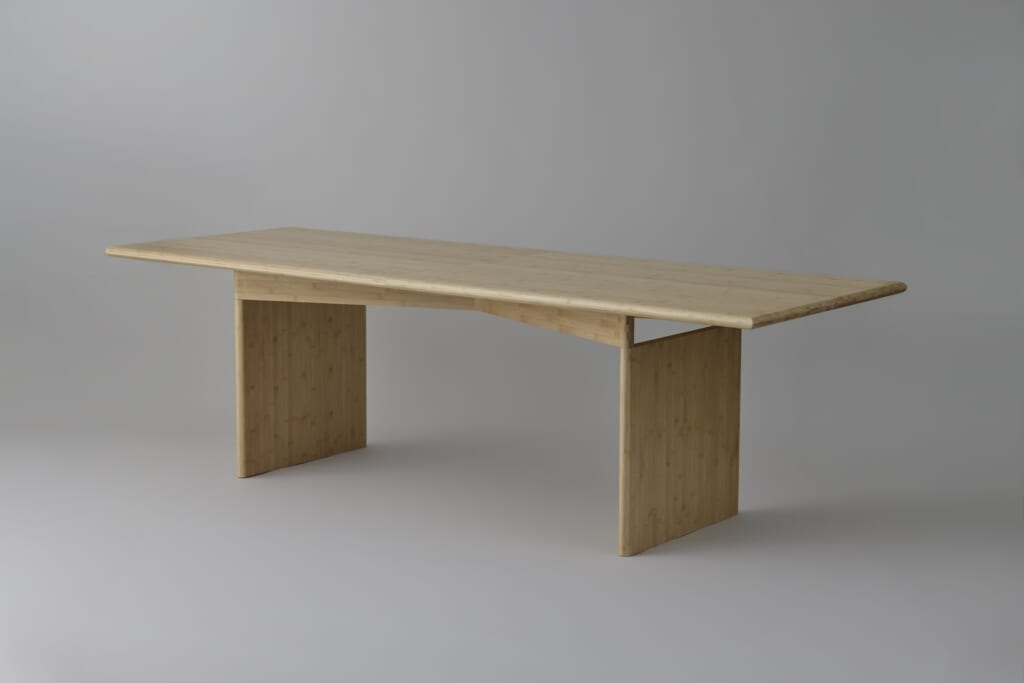
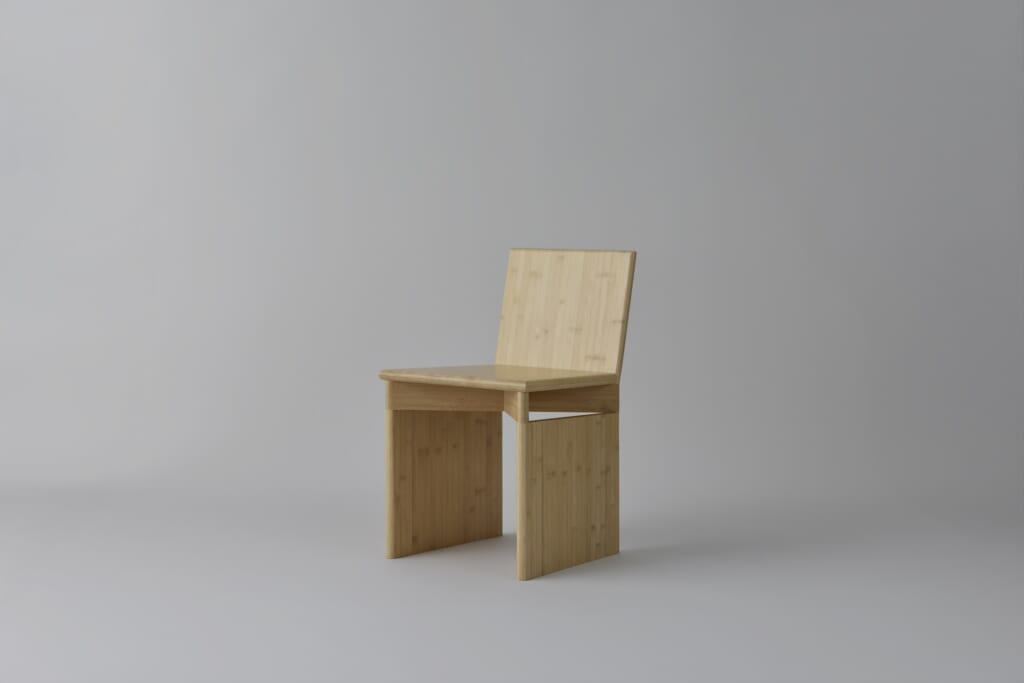
Representative of Designer office for creation LLC. Born in 1974. After graduating from the Kuwasawa Design School, he worked in planning, design and development at a furniture manufacturer. In 2010, he established office for creation, undertaking comprehensive creative work ranging from product design—including furniture and everyday items—to graphic design and art direction. He has received awards such as the ‘GOOD DESIGN AWARD’, ‘Architizer A+ Awards’ and ‘Archiproduct Design Awards’. He serves as a director of the Japan Creative Association and as a part-time lecturer at Aichi Prefectural University of Fine Arts and Music and Musashino Art University.
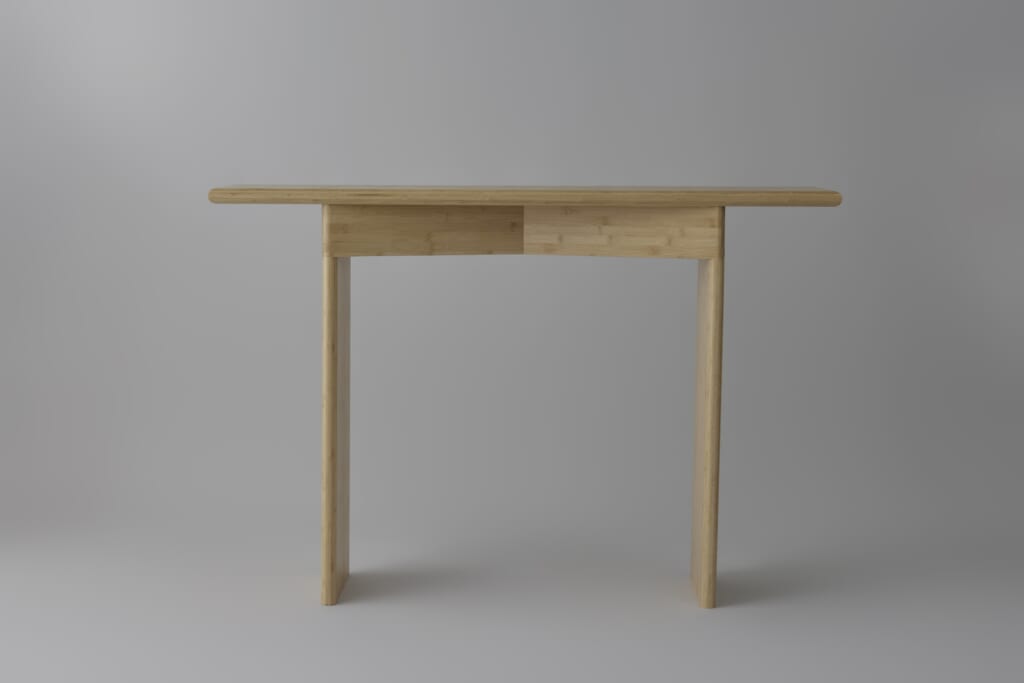
‘I sought to combine a quiet sense of tension with a sculptural presence, achieved through the structural order derived from the rotation of surfaces and the refined appearance of the bamboo material. The design features a simple panel structure made of laminated bamboo, held together by X-shaped components positioned beneath the tabletop and seat. These components bear the load whilst connecting the individual panels; whilst forming the structural framework, they create a light impression and rich play of light and shadow.’

Ryota Yokozeki
Born in Gifu Prefecture in 1985. Graduated from the Department of Product Design at Kanazawa College of Art and Craft. Worked at the Sony Group Creative Centre from 2008 to 2017. In 2017, he established RYOTA YOKOZEKI STUDIO. He is responsible for product design and creative direction on a variety of domestic and international projects, including furniture, household appliances and everyday items. His ‘AIZOME chair’ is part of the permanent collection at the Vitra Design Museum, and he has received numerous awards, including the iF Design Award and the Good Design Award.
‘A speaker that exists warmly as an interior object. A lounge chair where one can relax, with its large armrests and generous backrest and seat. By utilising the rich texture and characteristics of laminated bamboo, this collection of products evokes a space where one can savour music and the gentle passage of time.’